




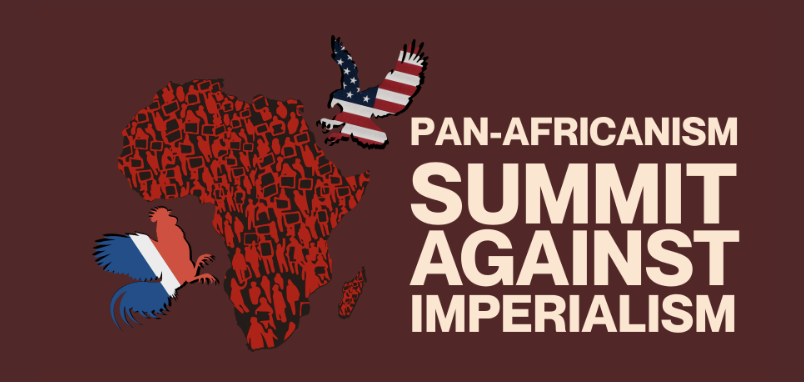

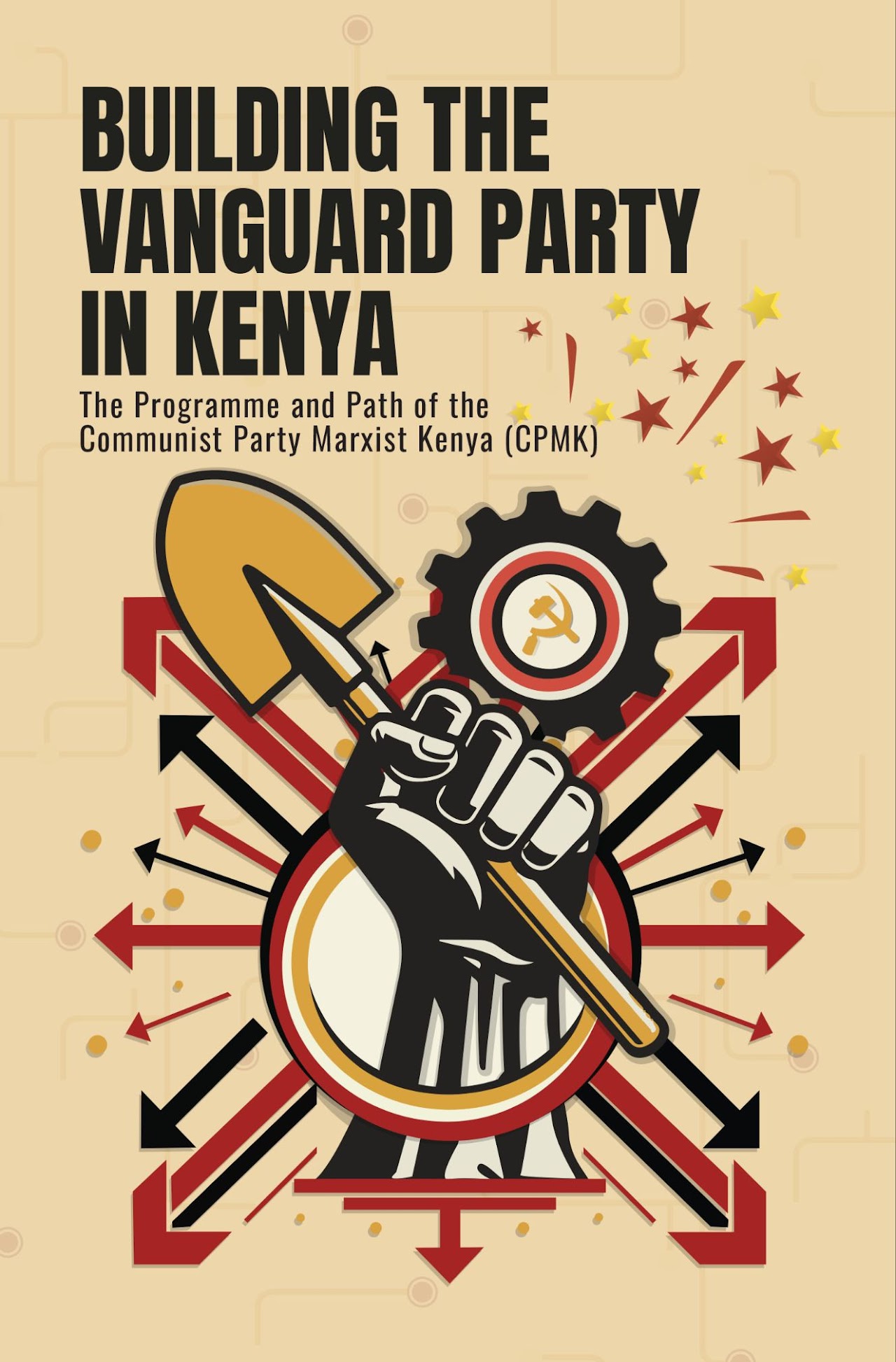


In the aftermath of the recent staff-level agreement between the International Monetary Fund (IMF) and the Kenyan administration, Kenya finds itself at a critical juncture. This deal, along with the regressive Finance Bill 2023, exposes the government's betrayal of the Kenyan people and their ongoing fight for economic justice. It signifies the continuation of a longstanding legacy of neocolonial subjugation and the perpetuation of exploitative neoliberal policies. The Communist Party of Kenya remains steadfast in rejecting this agenda, advocating for an alternative path towards economic liberation and prosperity for all.
Throughout Kenya's history, the adoption of neoliberal policies championed by institutions like the IMF and the World Bank has wreaked havoc on our economy. The structural adjustment programs (SAPs) of the 1990s devastated us, transforming our vibrant economy into one reliant on the export of raw materials and causing widespread job losses. The painful consequences of those policies must serve as a stark reminder as we confront the latest IMF deal disguised as "budgetary support."
The IMF's staff-level agreement promises a substantial amount of funds to Kenya, but it comes at a steep price. The conditions attached to these loans bind us to further indebtedness, subjecting the already struggling majority to harsh austerity measures. The Kenyan administration's approval of the regressive Finance Bill 2023 highlights their willingness to sacrifice the well-being of the people in a desperate attempt to meet the IMF's demands.
Under the deceptive guise of development, the IMF claims that this loan will enhance climate resilience and promote renewable energy. However, history has shown that such programs often prioritize the interests of foreign investors and multinational corporations over the needs of the Kenyan people. It is crucial that we demand transparency and accountability from our leaders, questioning the motives behind these so-called development initiatives.
Furthermore, the association of President Ruto's administration with external powers raises serious concerns about the perpetuation of neocolonial projects in Kenya. By aligning themselves with these powers, the administration risks compromising our national sovereignty and sacrificing the interests of the Kenyan people. It is disheartening to witness the continuation of policies that reinforce our economy's subservience to the exploitative capitalist system of the metropole.
In the face of these challenges, the Communist Party of Kenya calls upon the Kenyan people to rally against the government's compliance with IMF policies. We must demand an alternative path that prioritises the needs of the majority and breaks free from the cycle of exploitation. The party advocates for economic models that empower the people, rejecting neoliberalism and its detrimental effects on our society.
The devastating effects of SAPs on countries of the Global South serve as a stark reminder of the negative consequences of IMF-imposed policies. These programs, centred around austerity measures and trade liberalisation, have disproportionately impacted the most vulnerable populations. Cuts to social welfare programs and public services, combined with the removal of price controls, have led to unaffordable basic goods and services for many.
SAPs have perpetuated a cycle of poverty and underdevelopment by promoting reliance on a narrow range of exports for developing countries. This heavy dependence on primary commodities and raw materials leaves these countries vulnerable to fluctuations in global commodity prices, exacerbating economic instability and hindering sustainable development.
Moreover, the privatisation of state-owned enterprises and the erosion of labour protections have further deepened income inequality and social unrest. The loss of jobs and the dismantling of domestic industries have contributed to unemployment and economic instability. The erosion of labour protections and the rise of informal work have exacerbated income inequality and social unrest.
In addition to the economic consequences, SAPs had social and political implications as well. The reduction in public spending on education and healthcare hindered human development and increased social inequality. The privatisation of essential services meant that access to education and healthcare became increasingly determined by an individual's ability to pay, further marginalising the poor.
Turning to the political landscape in Kenya, the main opposition appears to lack viable solutions to address the economic crisis. Similar to the government, they engage in infantile talk about reducing the cost of living without presenting a comprehensive alternative plan. This lack of substantive ideas contributes to the ongoing challenges faced by the country.
Amidst these circumstances, the Communist Party of Kenya emerges as the antithesis to the prevailing political establishment. The party proposes a programme that aims to construct a national democratic state that guarantees freedom, equality, social justice, and wealth creation for all. By breaking free from the chains of the colonial legacy, the party advocates for building bridges of solidarity with anti-imperialist forces worldwide.
One of the key tenets of the Communist Party of Kenya's proposed programme is to emancipate the economy from the grip of world capitalism. By placing the means of production in the hands of the masses, the party seeks to usher in a non-capitalist mode of production that empowers every individual and promotes equitable distribution of resources.
Addressing the national/ethnicity question is another crucial aspect of the party's programme. By granting each ethnic group their rightful place in national life, celebrating diversity, and ensuring visibility and audibility, the Communist Party of Kenya aims to foster a sense of unity and promote the flourishing of diverse cultures. The party also emphasises the need for agrarian reforms to tackle land disparity and promote sustainable utilisation. Through modernising agriculture with advancements in science and technology, the party envisions a prosperous future for Kenyan farmers.
Furthermore, the Communist Party of Kenya advocates for an industrial revolution that lays the groundwork for all-out national development. Building power and transport infrastructure are seen as essential components to drive Kenya towards self-sufficiency and prosperity.
Finally, the party aims to spark a cultural revolution through a literacy programme.
By Booker Ngesa Omole
The National Organizing Secretary of the Central Organizing Committee of the Communist Party of Kenya
23rd of May 2023, 14:15Hrs, Paris , CDG